Small Birds
Finches, canaries, and budgies
Prioritize tight spacing, real horizontal width, and simple access for cleaning. Tall narrow cages are usually weaker choices.
Compare small bird cagesBest Bird Cages
The safest cage shortlist starts with the bird, not the product title. Use this hub to jump into species-specific cage guides, compare size categories, and check bar-spacing basics before buying.
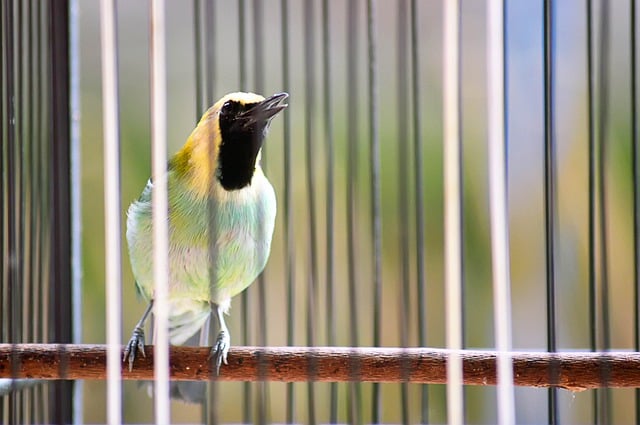
Small Birds
Prioritize tight spacing, real horizontal width, and simple access for cleaning. Tall narrow cages are usually weaker choices.
Compare small bird cagesMedium Birds
Look for more usable width, safer access doors, and enough room for toys without crowding the movement path.
Compare medium bird cagesLarge Parrots
Treat door security, bar strength, gauge, caster stability, and published interior dimensions as core buying criteria.
Compare large bird cagesSpecies First
These pages are the fastest path when you already know the bird. Each guide narrows cage research around spacing, usable interior room, door design, and daily setup concerns.
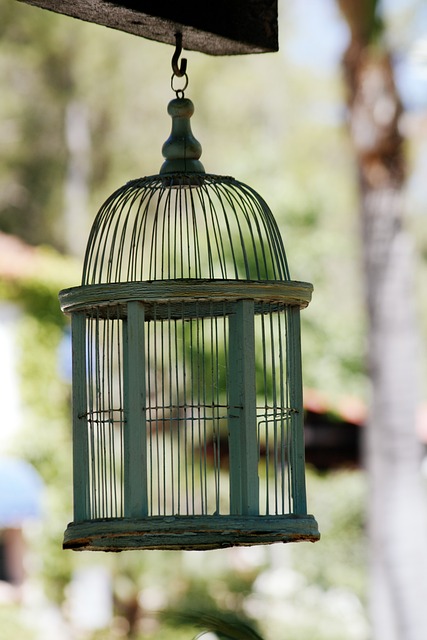
Small-bird cage picks for finches and canaries where safe spacing and horizontal flight room matter most.

Flight-width cage picks for budgies and parakeets, with safer bar-spacing notes and cleaning tradeoffs.
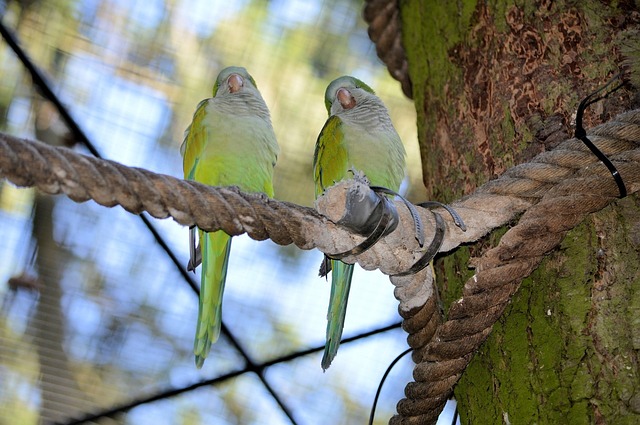
Roomy medium-cage options for lovebirds, focused on width, safe spacing, and active daily use.
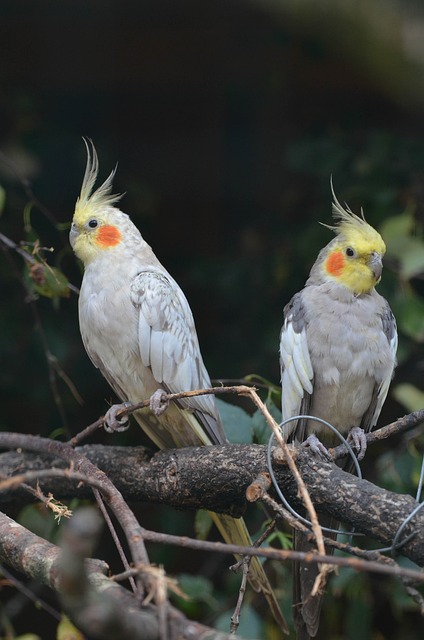
Medium cage shortlists for cockatiels, focused on interior room, door safety, and daily maintenance.
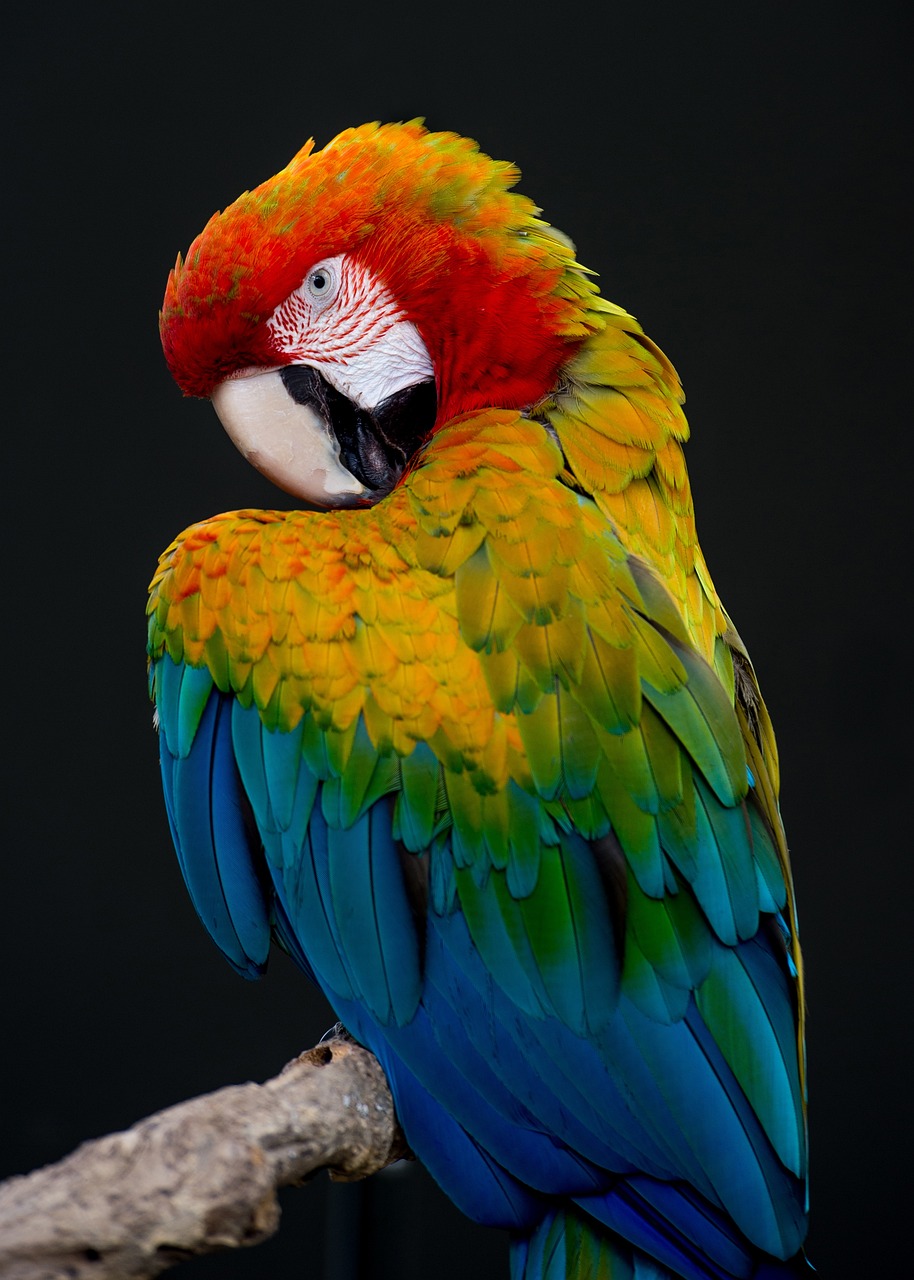
Medium-cage picks for active conures, with extra attention to latches, chew resistance, and toy space.
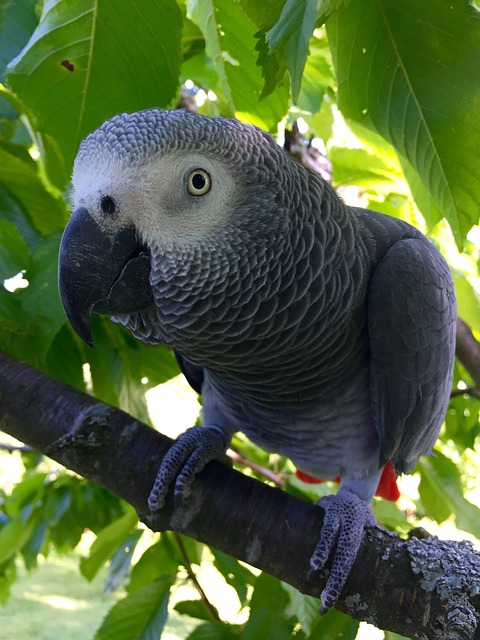
Large parrot cages with attention to latch security, bar spacing, build quality, and usable interior space.
Heavy-duty cage options for active Amazon parrots, balancing safety, cleaning, footprint, and value.
Large, secure cage picks for cockatoos where latch design, durability, and enrichment space matter most.
Oversized cage research for macaws and very large parrots, including bar spacing and long-term build concerns.
Interactive Tool
Choose a bird type and a few constraints to get a practical starting point. This is guidance for shortlisting cages, not veterinary or species-specific husbandry advice.
Size Baseline
Use this chart as a first filter. Always verify individual bird size, door gaps, feeder doors, latch design, and usable interior dimensions.
| Bird type | Starting cage size | Bar spacing | Buying priority |
|---|---|---|---|
| Finches and canaries | 30 in L x 18 in W x 18 in H | 1/4 to 1/2 in | Horizontal flight space |
| Budgies and parakeets | 30 in L x 18 in W x 18 in H | 1/2 in or less | Width, safe doors, easy cleaning |
| Lovebirds | 32 in L x 20 in W x 24 in H | 1/2 to 5/8 in | Width, climbing space, and chew-safe setup |
| Cockatiels | 32 in L x 20 in W x 24 in H | 1/2 to 5/8 in | Climbing room and secure latches |
| Conures and small parrots | 36 in L x 24 in W x 36 in H | 5/8 to 3/4 in | Chew-resistant construction |
| African greys | 36 in L x 28 in W x 48 in H or larger | 3/4 to 1 in | Heavy gauge metal and reliable locks |
| Amazon parrots | 36 in L x 28 in W x 48 in H or larger | 3/4 to 1 in | Door security, chew resistance, and room for enrichment |
| Cockatoos | 40 in L x 30 in W x 60 in H or larger | 3/4 to 1 in | Stronger locks and durable cage construction |
| Macaws and very large parrots | 48 in L x 36 in W x 60 in H or larger | 1 to 1.5 in | Premium build quality and door security |
Best for finches, canaries, budgies, parakeets, and other small birds where safe bar spacing and flight width matter most.
Open guideA better starting point for cockatiels, lovebirds, conures, and active birds that need more climbing and toy space.
Open guideFor larger parrots where door security, gauge, rolling bases, and long-term durability become the main buying criteria.
Open guide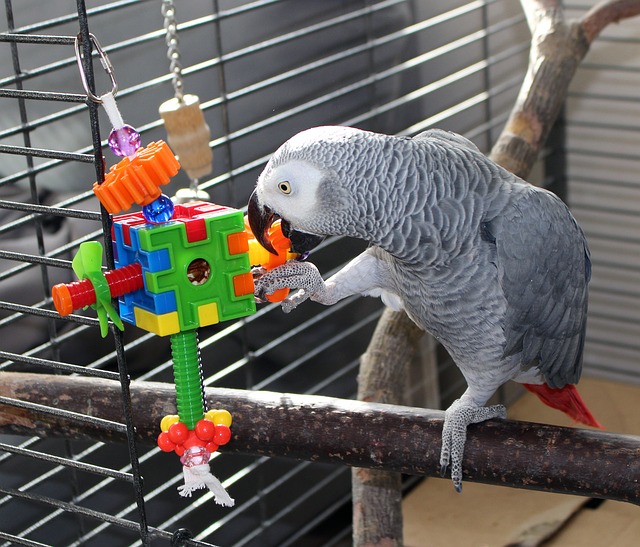
Enrichment ideas that pair with cage setup: foraging, chewing, climbing, and rotation plans.
Open guideBuying Filters
Common Questions
Start with the bird species, then filter by safe bar spacing, usable interior dimensions, door security, and daily cleaning access. Price should come after those basics.
Bigger is helpful only when the spacing, layout, materials, and doors fit the bird. A larger cage with unsafe spacing or weak hardware is not automatically better.
Plan toys after you know the cage footprint. Accessories should enrich the cage without blocking flight paths, food access, or cleaning.