Lovebird Cage Guide

Best lovebird cages for active movement, safe spacing, and daily setup

Lovebirds are active small parrots, so the right cage needs more than a cute footprint. Prioritize width, secure access points, chew-safe setup, and room left after toys and perches.

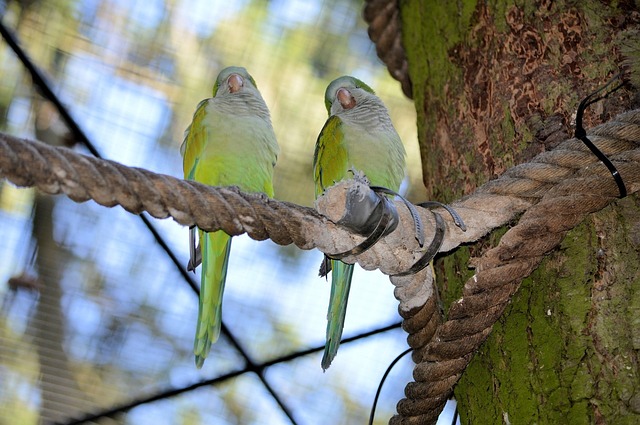
Pair of lovebirds perched together

How We Shortlist

Our cage research method

We shortlist cages by usable interior space, bar spacing, material, door/latch design, tray access, replacement-part support, and how clearly the manufacturer publishes specs.

Last reviewed: 2026-10-03

  • Interior dimensions carry more weight than total height.
  • Bar spacing must fit the bird, not the product title.
  • Secure doors, food access, and cleaning trays affect daily use.
  • Published specs and replacement-part support increase confidence.

Research Picks

Best lovebird cage comparison

These picks cover the main lovebird tradeoffs: roomy flight-cage width, compact play-top convenience, and lower-cost small-cage comparison points.

1

Best roomy lovebird pattern

Prevue Pet Products F050 Large Flight Bird Cage

A roomy flight-cage option with published interior dimensions and 1/2 inch spacing, making it a strong research baseline for active lovebirds.

Best for
Lovebirds that need a wider cage with 1/2 inch spacing and room for active movement
Size
37" L x 23" W x 60" H overall
Interior space
36 1/8" L x 22 1/8" W x 47" H interior
Bar spacing
1/2"
Material
Non-toxic powder-coated steel mesh with plastic tray
Cleaning
Pull-out grille and debris tray
2

Compact play-top option

A&E Cage Co. 8001818 18x18 Play Top Cage

A compact play-top pattern with 5/8 inch spacing and convenient access, but the 18x18 footprint is the main tradeoff.

Best for
Single lovebirds in compact rooms where supervised play-top access matters
Size
18" L x 18" W x 54" H overall
Interior space
24" interior height
Bar spacing
5/8"
Material
Wrought iron with non-toxic powder-coated finish
Cleaning
Removable seed catcher plus slide-out grill and tray
3

Budget flight-cage comparison

Prevue Pet Products F040 Flight Bird Cage

A smaller wide-cage baseline with 1/2 inch spacing and published dimensions, useful for comparing lower-cost options against larger medium cages.

Best for
Lovebird owners comparing a smaller flight-cage baseline before sizing up
Size
31" L x 20.5" W x 53" H overall
Interior space
30.25" L x 20.25" W x 40" H interior
Bar spacing
1/2"
Material
Powder-coated steel, plastic, eucalyptus wood perches
Cleaning
Pull-out grille and debris tray

Active Birds

Give lovebirds room to move

Lovebirds climb, chew, and investigate. A cage that looks fine when empty can become cramped once perches, cups, swings, and toys are installed.

Pair Planning

Pairs need more usable space

Two lovebirds need enough room to move without crowding each other at food, water, perches, or favorite toy spots.

Setup Notes

What lovebirds need inside the cage

Chew-safe toys

Use destructible toys and inspect them often so chewing energy has a safer outlet.

Clear movement paths

Place toys and perches around the cage instead of filling the center with clutter.

Secure access points

Check feeder doors, side doors, and latches because small parrots can be persistent explorers.

Checklist

Before buying a lovebird cage

Recommended Next Steps

Turn the shortlist into a safer setup

Compare cages

Start with the researched picks and verify the specs against your bird, room, and budget.

Compare cage picks

Check cage size

Use the finder if you are still deciding between species size, spacing, and budget tradeoffs.

Use the cage finder

Plan enrichment

Add chew, forage, and rotation ideas after the cage footprint is clear.

See bird toys

Common Questions

Lovebird cage FAQ

What size cage should I get for one lovebird?

A practical research starting point is around 32 inches long by 20 inches wide by 24 inches high, with more width preferred when space allows.

Is a small bird cage enough for a lovebird?

Sometimes, but many lovebirds do better with a roomier medium-cage pattern. Compare the usable interior space after perches, toys, and bowls are added.

How did you choose these products?

We shortlist cages by usable interior space, bar spacing, material, door/latch design, tray access, replacement-part support, and how clearly the manufacturer publishes specs.